Material Guide · 4 min read
Ceramic vs Semi-Metallic Brake Pads: Buyer Comparison
· TORQMONT
Last reviewed:
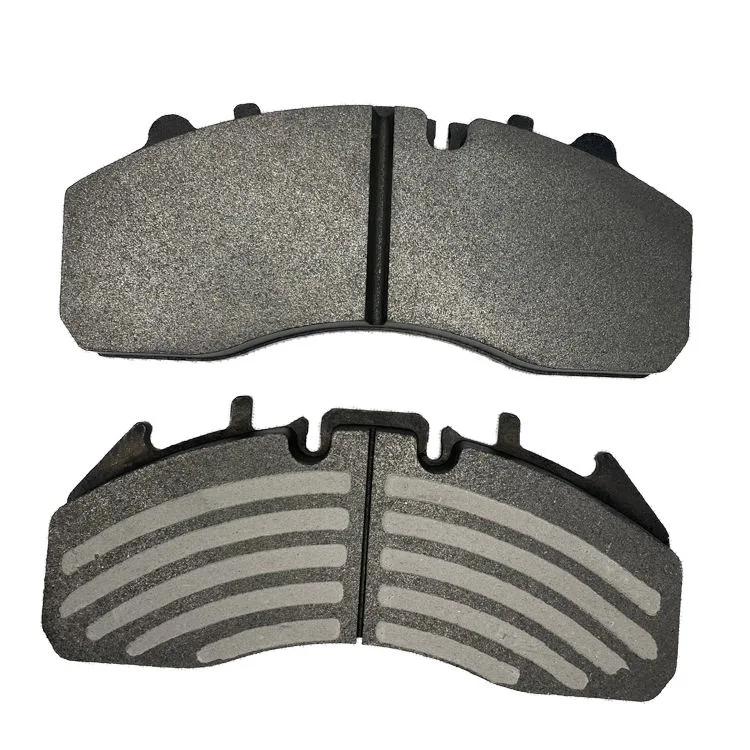
A material label alone cannot determine whether a brake pad suits a vehicle or market. Compare the complete application, specified friction material, test evidence, noise and wear requirements, and any market documents for the exact proposed part.
Formula Comparison
| Material label | Question to ask | Evidence to request |
|---|---|---|
| Ceramic | What noise, dust and wear targets apply? | Part-specific test result and sample |
| Semi-metallic | What friction and temperature requirements apply? | Part-specific test result and sample |
| Low-metal / NAO | What material specification is required? | Material declaration and sample |
| Copper-free | What composition limit applies in the market? | Part-specific material declaration |
Check Approval Scope
If an approval such as ECE R90 is required or claimed, request the document for the exact proposed reference. Check the holder, covered part, destination market and validity. This guide does not establish approval for any Torqmont inquiry reference.
Prepare the Reference Before Choosing a Formula
Browse the brake systems category, then use the aftermarket brake-pad quotation checklist to prepare the OE or WVA reference, vehicle application, target market and document requirements. For commercial-vehicle programs with wear sensors, use the truck brake-pad and wear-sensor RFQ checklist to include the sensor configuration and axle position.
Follow the OE cross-reference verification workflow before sample approval. Confirm any approval document against the exact reference and market being quoted.
Are Torqmont brake reference pages proof of ECE R90 approval?
No. A reference or category page does not establish approval. Request and verify a document covering the exact proposed part and destination market.
Which brake-pad material is available for my reference?
State the exact reference, application and required material in your inquiry. Availability and specification must be confirmed in writing for that part.
Send the reference, source, application and material requirements when you submit a brake-parts inquiry.