Sourcing Guide · 5 min read
Aftermarket Auto Sensors: Bench Evidence and Defect Rate Control
· TORQMONT
Last reviewed:
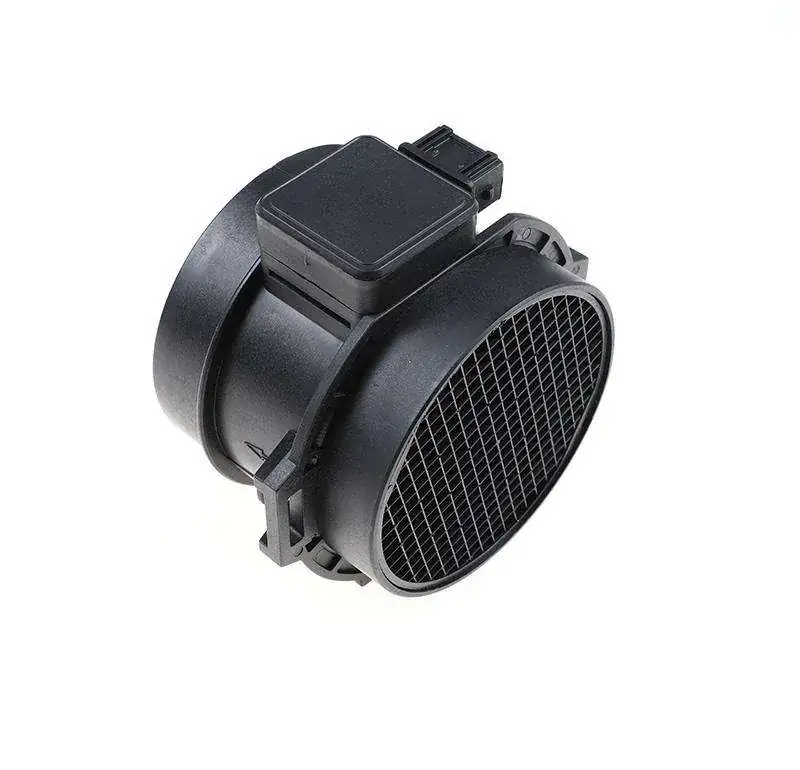
Start a sensor RFQ by defining the exact proposed part, intended application and version of the specification. Ask a qualified test team for evidence tied to a named sample or lot, the agreed fixture and the limits used to make the decision. Then set how the buyer will handle out-of-limit results and mismatches before the next shipment.
Use the automotive electronics category to reach the relevant inquiry page and the sensor OE cross-reference guide to record the proposed reference, application, connector and photos. Similar housings or plugs are a starting point for a physical comparison. They leave electrical interface, position and calibration to be verified on the exact proposed part.
Specify Bench Evidence by Sensor Family
| Family | Agree before testing | Keep with the result |
|---|---|---|
| ABS wheel speed | Exact position and sensor type, documented supply and interface, target encoder or equivalent qualified fixture and the applicable test matrix. | Sample ID, drawing revision, encoder and fixture ID, stimulus conditions and captured output against the agreed limits. |
| Manifold absolute pressure | Pressure reference and units, required points and conditions, connector and pin specification and any integrated temperature channel. | Pressure stimulus and output pairs with units, setup and calibration status. Identify which channels were checked. |
| Mass air flow | Exact sensing element and housing configuration, direction of flow, specified stimulus conditions and output interface. | Housing and part revision, flow conditions, measured output at each agreed point and the corresponding tolerance. |
| Oxygen or air-fuel ratio | Exact sensing technology and heater, signal or controller interface, and the qualified method appropriate to the proposed part. | Sample and method IDs, specified conditions and relevant response data. Name which heater or response checks the record covers. |
The HELLA wheel-speed sensor reference describes why active and passive types have different operating principles. The Bosch wheel-speed sensor overview is an example of a particular active sensor and encoder interface. Use the supplier’s part-specific documentation to confirm the interface and limits for your proposed reference. See the ABS wheel speed sensor sourcing checklist and the O2 and MAF sensor sourcing checklist for inquiry fields.
Tie Each Result to an Approved Sample or Lot
- For first samples, record the reference, label and physical revision, agreed specification, fixture and method revision, operator or lab and date. Ask for the reported values, units and decision limits, not just a pass label.
- For repeat orders, agree what records accompany each lot, how samples will be drawn and which attributes receive full screening. Separate the first sample report from the production-lot record.
- Keep the agreed failure definitions, original results and later retest results distinct. If the sensor housing, electronics, calibration, fixture or test method changes, record the revision and request the appropriate re-review.
Record Defective Units and Act on Lot Differences
Calculate the observed nonconforming-unit rate using the number of unique units that failed at least one agreed check divided by the units tested for that same scope. Record the lot size, sampled count and checks covered separately. For example, three failed units among 120 inspected units is 2.5% of that inspection group. If one unit fails multiple checks, count that unit once in the unit rate and log each failure mode separately. Compare numbers only when the checks, selection and fail rules are comparable.
Agree the lot decision rules before inspection. The NIST acceptance sampling handbook distinguishes deciding whether to accept a lot from estimating its quality. Keep sampled observations distinct from a whole-lot claim and from later field returns. If a lot falls outside the agreed plan or the records do not match its identity, hold the affected material, preserve samples and results, reconcile the affected quantities and obtain an authorized written disposition before release.
Write any corrective action against the affected part and lot. Document the proposed change, its verification evidence and the outcome of the next agreed inspection. The procurement templates help retain reference, drawing, sample and inspection IDs with the RFQ.
Aftermarket Sensor Quality FAQ
Can the same bench checklist cover every sensor type?
The same record format can capture identity, method and result. Use the exact reference and qualified test plan to define the stimulus, interface, checks and limits for that sensor family and variant.
Is a passing first sample enough evidence for a later batch?
Keep the first sample as the baseline, then obtain the agreed lot-specific evidence and confirm revision and traceability before accepting the later batch.
How should a buyer record two failed checks on one sensor?
Count one nonconforming unit in the unit rate and record both failure modes. State the tested population and scope, and keep the original result even if an approved retest is carried out.
What should a buyer ask for after a lot fails?
Request the affected lot and quantity, the original results and a containment plan. Agree how the supplier will verify any proposed corrective action and who can authorize release or other disposition.