Wholesale Ceramic and Semi-Metallic Brake Pad Sourcing
Prepare a wholesale brake pad RFQ with one line per reference, axle and requested formulation. Use the same application drawing when comparing ceramic and semi-metallic options, specify what comes in each set, and ask each supplier to identify the sample and documents behind its quotation.
Record the complete OE or WVA reference, its exact suffix, and the catalog entry or sample label it came from.
Keep the dated source with the proposed reference. Resolve discrepancies before approving a sample.
Vehicle and axle
List the vehicle, model year, engine, destination market and axle. Include the brake package or caliper identifier when available.
Use application documentation and a dimensioned photo or drawing of the current pad to check the backing plate profile, dimensions and locating features.
Set contents
State the number of pads per set and identify any required shims, clips and wear sensors or connectors.
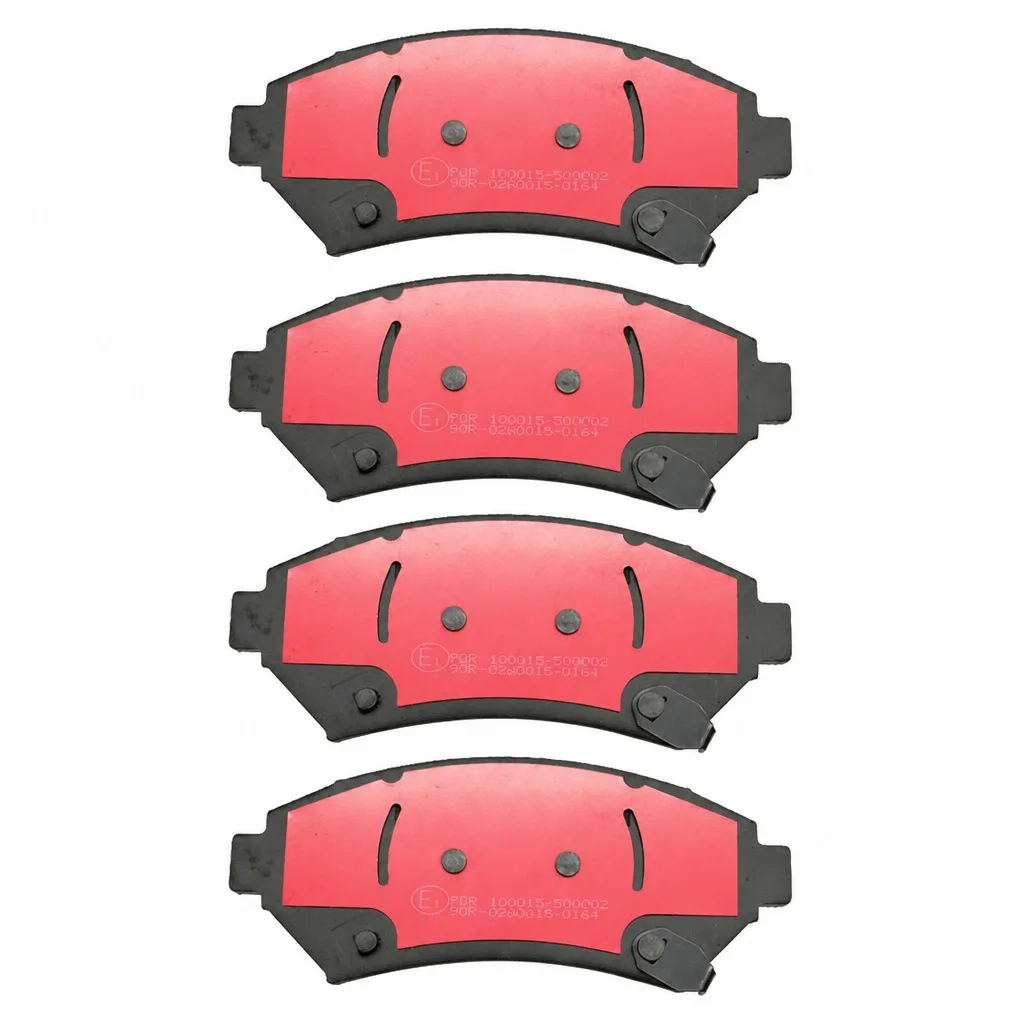
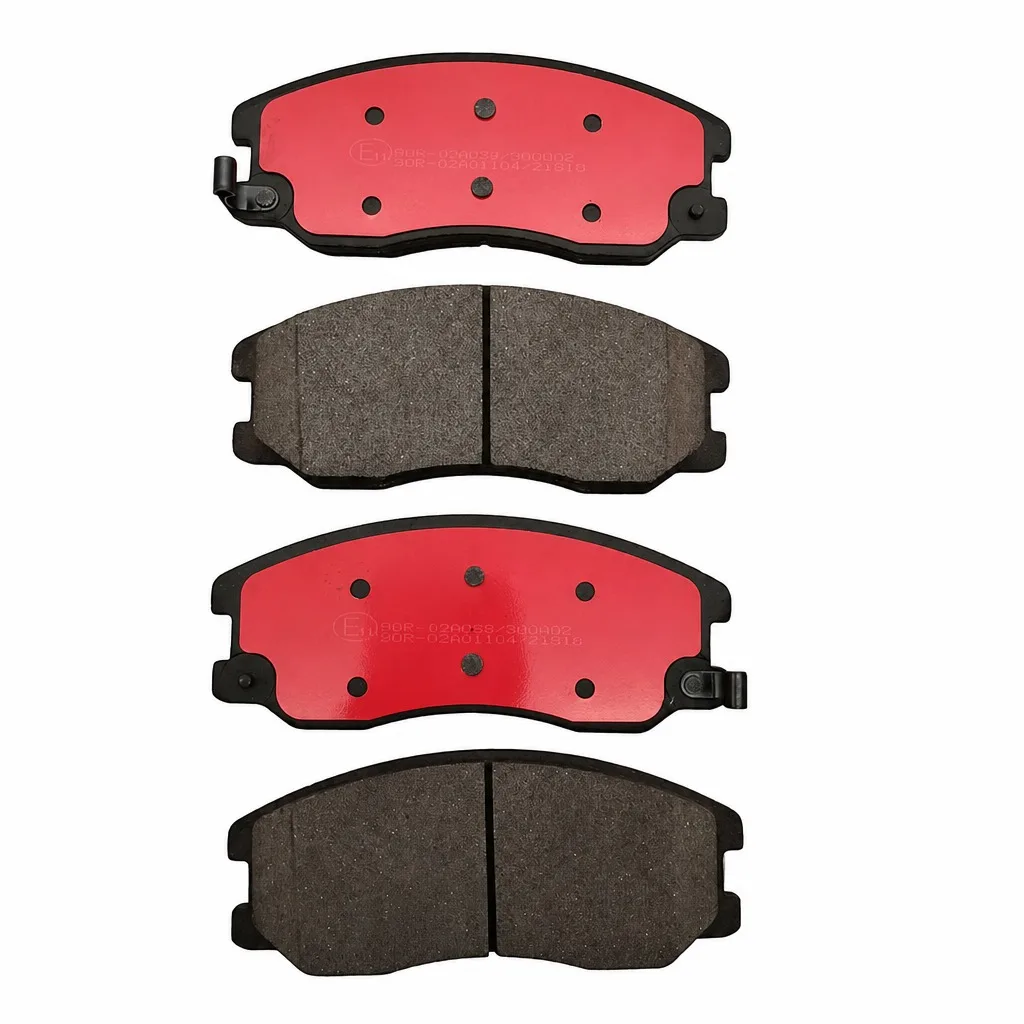
Ask for an itemized set photo or drawing and use it to verify the contents of the proposed sample.
Friction material and records
Specify ceramic or semi-metallic as requested and state the wear, friction and noise checks required for your program.
Ask for the quoted formulation identifier and agree which test records must match the proposed material and sample. Confirm any destination-market document requirements for that exact item.
Packaging and labels
State neutral packaging or a private-label color box, units per pack, required traceability marks and requested label language.
Review a dated artwork proof showing the item reference, barcode and set quantity before approving printed packaging.
Order quantities
Provide first-order and expected annual quantities per reference and formulation. Use the same units of measure throughout the RFQ.
Ask which volume tiers and MOQ apply to each line, and confirm whether the quote is per pad or per set.
Catalog References to Verify
Use these related inquiry pages to start a reference check. Confirm the exact application, construction and requested specification against the proposed sample.
Ask which quantity tiers apply to each reference and proposed compound. Keep first-order quantities and expected annual demand separate when comparing quotes.
Compound and set scope
Compare the specified friction material, backing plate, hardware, sensor and supporting documents together. Record any item a supplier quotes separately.
Neutral or private-label pack
Ask suppliers to identify carton and label specifications, artwork or setup charges where applicable, and any separate minimum for printed boxes.
Mixed-order assortment
Submit quantities and packaging by SKU to compare a consolidated order. Use confirmed carton dimensions and gross weights to estimate each group’s share of the shipment.
How should I request both ceramic and semi-metallic quotes?
Use two lines for the same application and drawing and specify the requested formulation on each line. Ask which formulation and sample the quote covers, which relevant records are available and whether the proposed set contents differ.
Which details help identify the right pad when several references appear for one vehicle?
Provide the model year, engine, axle and brake package or caliper identifier where available. Include the reference from your source and dimensioned photos of the current part. Verify the proposed drawing and sample for that application.
Should the RFQ list the wear sensor separately?
Record the required sensor configuration and identify any connector, lead or mounting details you can document. Ask the supplier to state what is included in the quoted set and show those components on the sample or parts list.
What documents should I compare with the brake pad sample?
Request the relevant material and test records and any approval evidence your destination market requires. Check the proposed part number, formulation identifier, report scope and sample identification together before recording a decision.