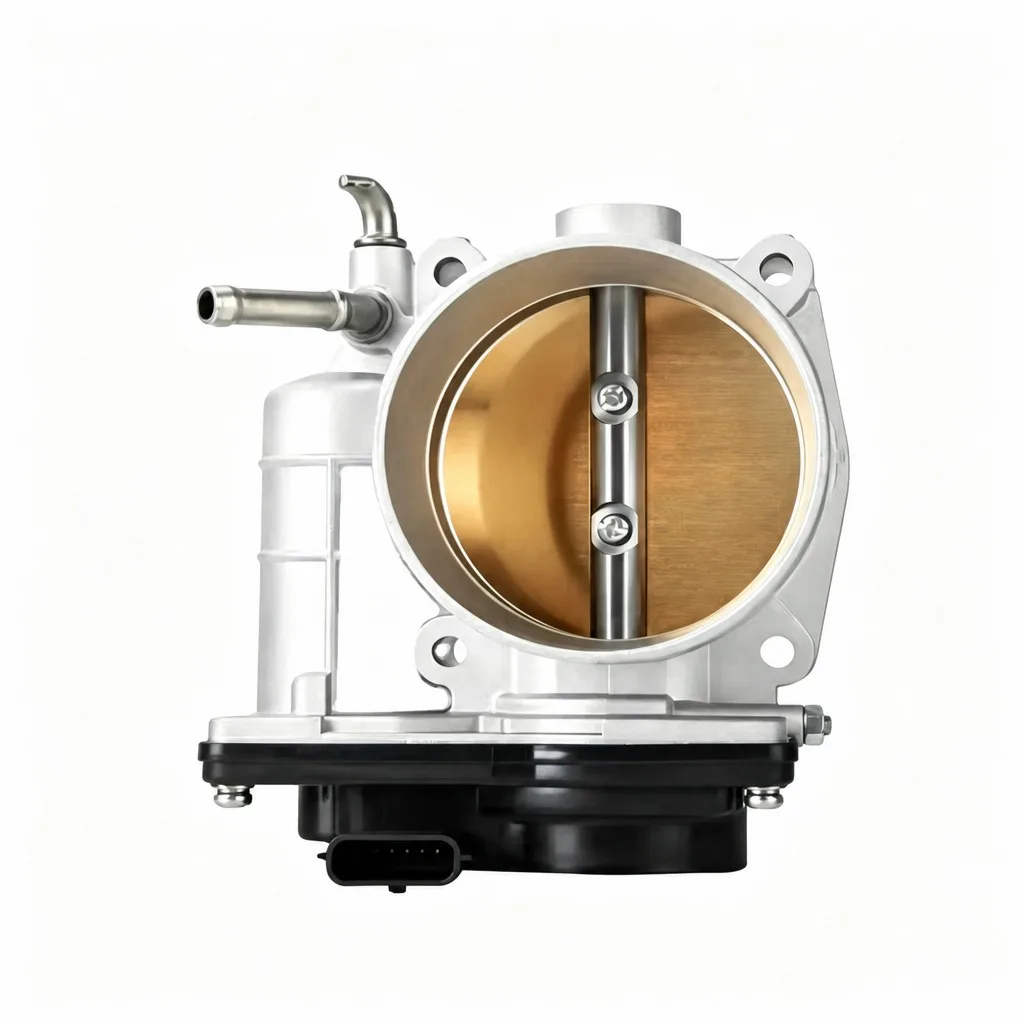
| Reference and application | Supply the full markings and their source, plus vehicle, model year, engine code or displacement and market. Add any documented engine controller or calibration identifiers. | Reconcile the source with the proposed assembly and record any supersession evidence before accepting a different reference. |
|---|
| Bore and flange | Send measured bore and flange dimensions, bolt pattern, mating-face and seal details, and orientation photos. Label the measurement points and units. | Compare a dimensioned drawing for the exact proposed body with the removed assembly and buyer-approved tolerances. |
|---|
| Connector and electrical data | Provide the connector face, keying and pin count. Include the documented actuator, pin assignment and position-feedback requirements when available. | Ask for a wiring specification and relevant functional records for the quoted sample and controller requirements. |
|---|
| Assembly and checks | Specify the complete assembly and list any gasket, fasteners or other items required in the pack. State the functional and dimensional checks needed at sample sign-off. | Review the sample, itemized contents and test record against the approved drawing revision. Ask the technical reviewer to confirm any application-specific control requirements. |
|---|
| Individual pack | Choose neutral or private-label packaging. Specify how the bore, flange and connector should be protected and identify the required part and lot marks. | Inspect the proposed protection and verify that the label and artwork identify the same assembly as the approved sample. |
|---|
| Order schedule | Give the sample and first-lot quantities, annual estimate and requested release schedule for every reference and market. | Check minimums and quantity breaks for each assembly, test scope and packaging version across comparable terms. |
|---|